- Final requirements depend on the approved fire strategy and authorities.
- Integration must never weaken independent life-safety operation.
- Ongoing testing and maintenance are essential.
When every second matters
Earlier warning. Carefully engineered response.
Fire and life-safety protection demands responsible design, reliable equipment and a response plan matched to the building and the people inside it.
Fire alarm & voice evacuation
Detect. Warn. Guide. Evacuate. Respond.
Explore how early detection becomes an organised life-safety response with clear voice instructions, coordinated building actions and monitored escalation.
Detect, warn and communicate according to the building’s real occupancy, risks and evacuation strategy.
- 01
Confirm the requirements
Review building use, fire strategy, applicable standards and authority requirements.
- 02
Design the system
Coordinate detection, alarm zones, cause-and-effect, interfaces and evacuation warning.
- 03
Test and document
Commission every function, record results and define maintenance responsibilities.
- Zone and device schedule
- Cause-and-effect matrix
- Commissioning and maintenance records
See the technologyDesigned to perform.
Designed to perform.
Selected to belong.
Representative products and applications from the technology ranges Krypto works with. Final equipment is selected for each project.
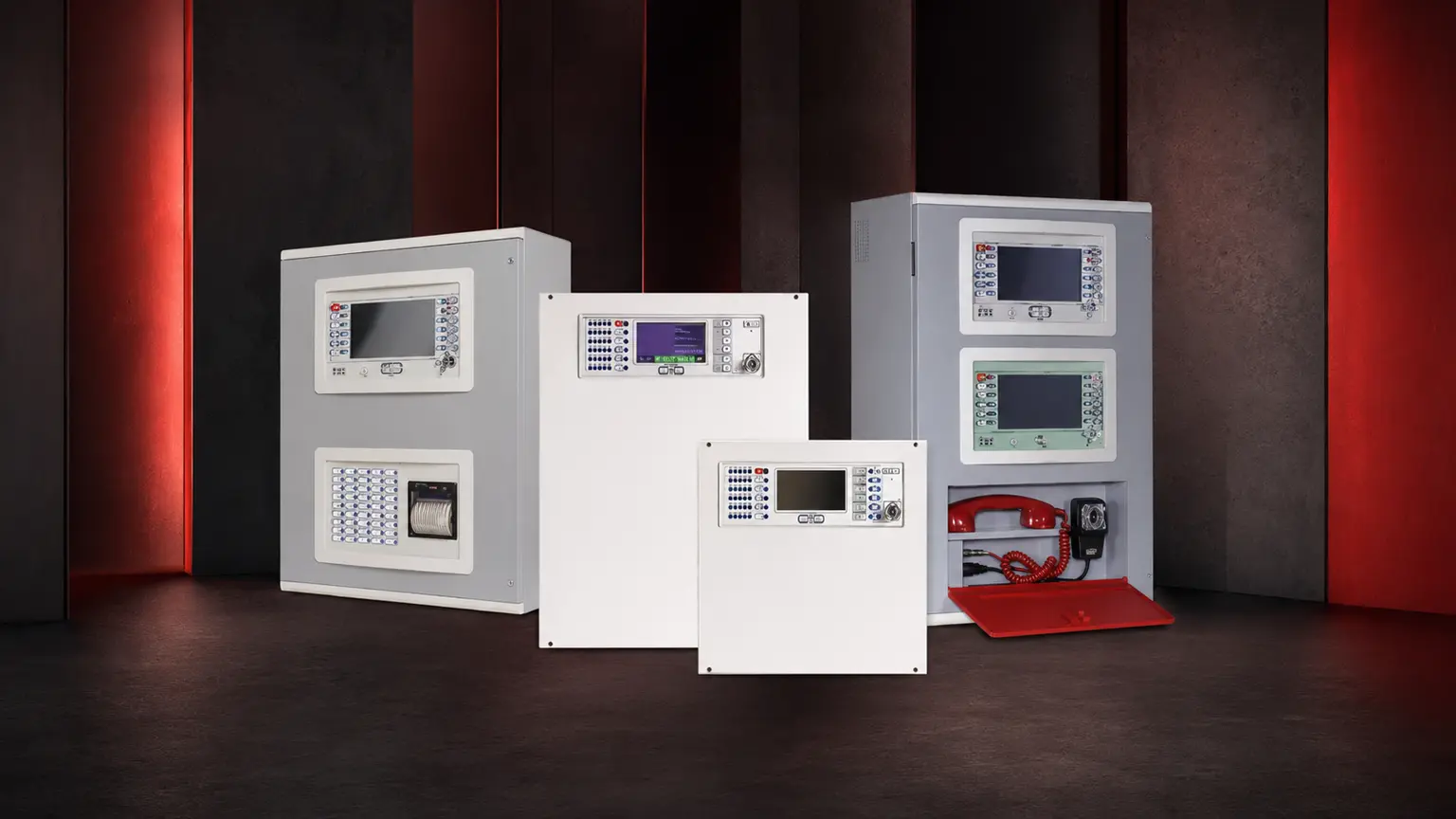
INIMHorNet & Previdia fire ecosystem
Detection • Control • Voice evacuation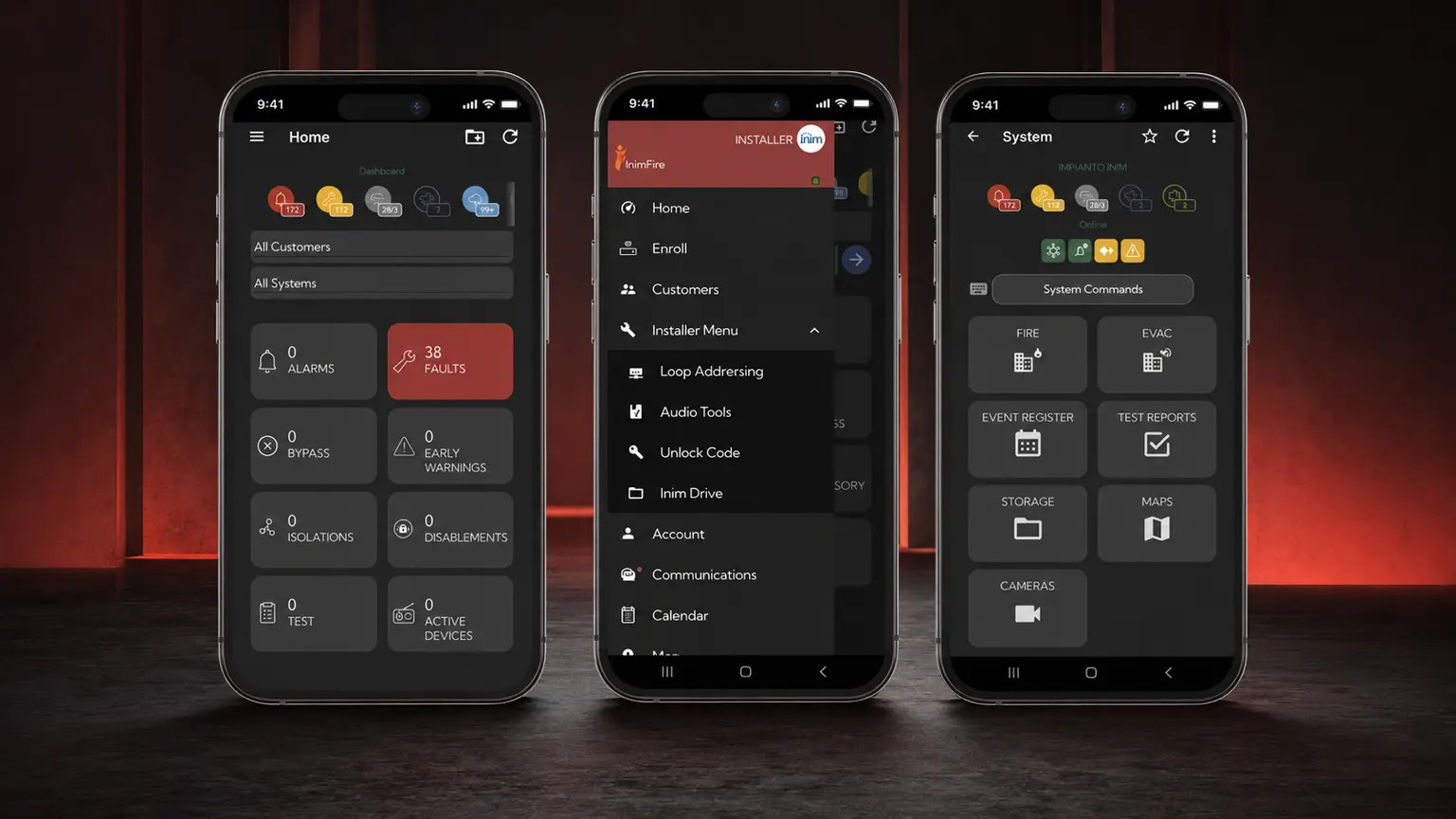
INIMConnected fire-system management
Monitoring • Testing • Reporting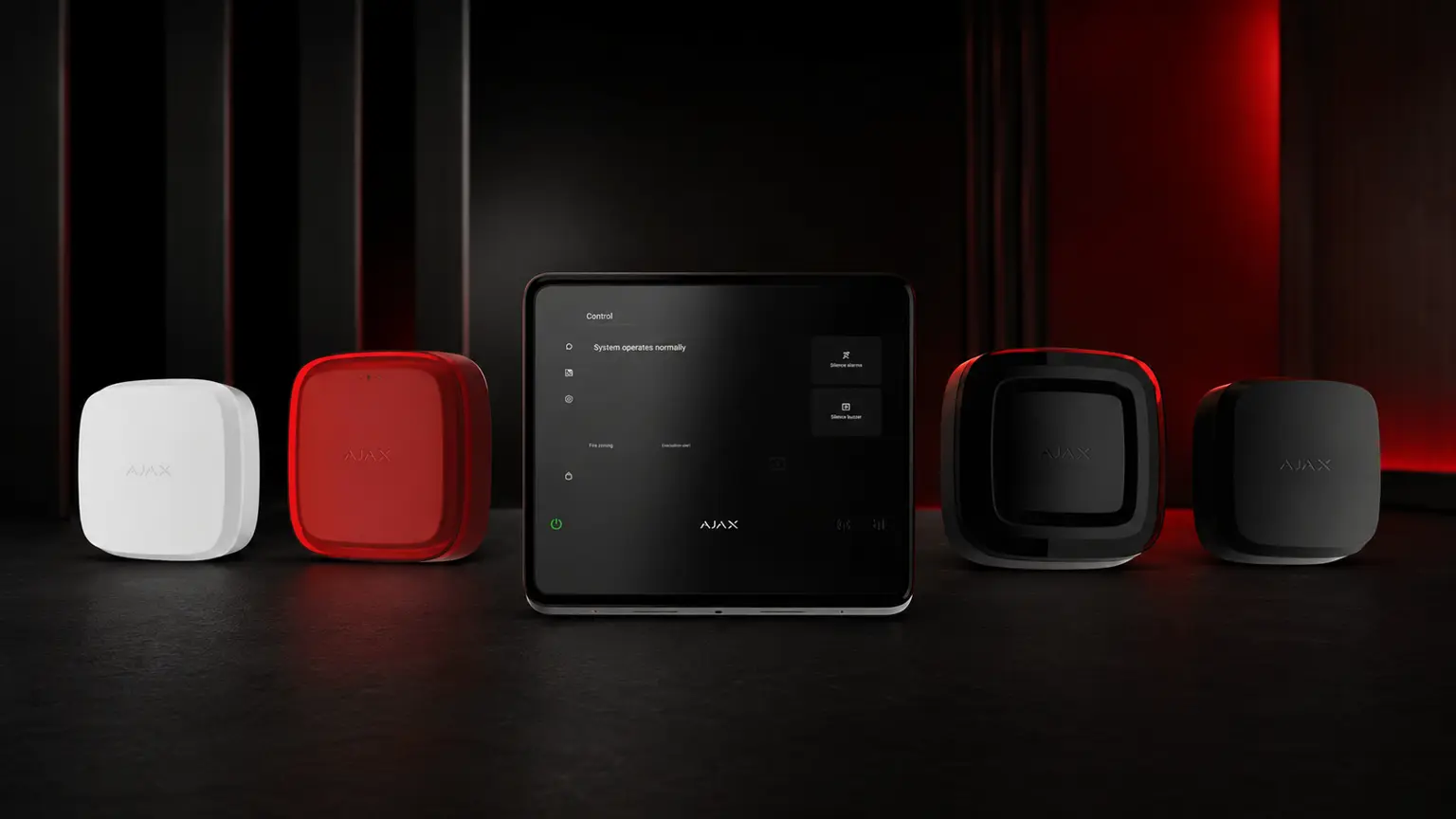
AjaxEN54 wireless fire-alarm range
Control • Detection • AlarmSee fire protection in actionDetection explained.
Detection explained.
Clearly and visually.
Early warning technology
Aspirating Smoke Detection System
See how continuous air sampling can identify the earliest traces of smoke and provide valuable extra time for investigation and response.
Detection and response
The Fire Detection Process
A concise visual sequence showing how a fire event is detected and the protection process begins.
Built for the required outcome
What the system can do.
Purpose-built functions. Coordinated response.
Core safety, security and control functions keep their defined role. Approved integrations allow relevant information and actions to connect without turning the property into one fragile dependency.
Detection & alarm
Select and position smoke, heat and specialist detection for the actual risk in each space.
Clear evacuation
Sounders, visual indicators and voice evacuation help occupants understand what to do.
Staged strategies
High-rise and complex sites can use carefully programmed floor-by-floor evacuation sequences.
Monitored events
Fire events can reach trained operators even when a property is empty.
Connected protection
Where appropriate, fire alarms can release doors, manage lifts and trigger building actions.
Maintenance & support
Ongoing testing helps keep life-safety systems ready, documented and dependable.
Where the system fitsOne solution.
One solution.
Different needs.
✓Homes
✓Commercial buildings
✓High-rise & hospitality
Selected technology partners
INIMAjax
Useful before an assessment
Questions to settle early.
Is every fire-alarm design the same?
No. Detection, warning and evacuation requirements depend on the building, occupancy, risks and applicable standards.
Can a fire event be monitored when a building is empty?
Compatible systems can transmit critical events to trained operators, together with related images where available, so the agreed response procedure can begin even when nobody is present.
Does Krypto provide ongoing testing and support?
Krypto can plan testing, maintenance and documentation so the system remains ready after commissioning.
Plan the next step
Request a property assessment.
Krypto will review the context, priorities and project stage before recommending the appropriate system direction.